The Silent Resignation: What UK Associations Lose When Senior Executives Let Membership Lapse

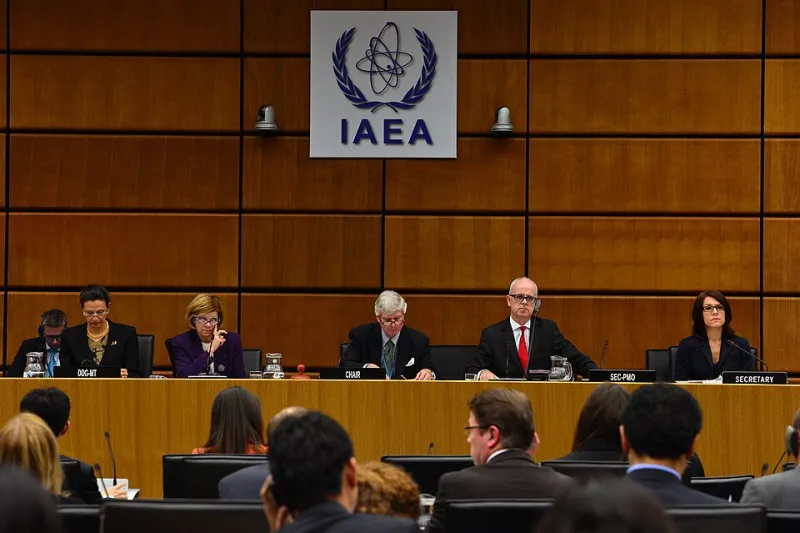
Photo: IAEA Imagebank, CC BY 2.0, via Wikimedia Commons
Every autumn, renewal notices land in the inboxes of thousands of senior executives across the United Kingdom. And every autumn, a meaningful proportion of them are quietly ignored. Not cancelled with ceremony. Not debated at board level. Simply allowed to lapse.
For association leadership teams, this silent attrition is among the most expensive and least understood problems in British professional life. The departing member rarely complains, rarely completes a survey, and rarely explains themselves. They simply stop paying.
The Scale of the Problem
Retention data shared with NAEO by member organisations suggests a consistent pattern: while overall renewal rates for UK associations typically hover between 75 and 85 per cent, the figure drops noticeably among members with more than fifteen years' experience. These are precisely the individuals whose names lend credibility to a body's work, who chair its committees, and who mentor the next generation.
The financial arithmetic is straightforward. A senior subscription — often £400 to £900 annually at the upper tiers of UK professional bodies — represents significant recurring revenue. But the loss is not merely financial. When a respected City figure or an NHS trust director lets membership lapse, others notice. Attrition, like engagement, is contagious.
Why the Experienced Walk Away
Exit conversations and informal interviews conducted with lapsed members point to three recurring explanations.
First, irrelevance at the top of the curve. Associations frequently build their programming around early and mid-career development: CPD hours, foundational qualifications, first-manager courses. A chief executive who has sat on remuneration committees for a decade finds little on the programme that speaks to them.
Second, the transaction trap. Many senior members describe their relationship with their association as purely transactional — an annual invoice, a quarterly journal, an annual dinner they attend out of obligation. Without a genuine community or a seat at the table, the invoice begins to feel like a tax rather than a membership.
Third, the unrecognised contribution. Executives who have given years of committee service report a familiar frustration: their expertise was drawn upon liberally, but their standing within the organisation never advanced. Recognition, or the absence of it, is a powerful determinant of whether someone renews.
What Reversal Looks Like
The encouraging news is that the trend is not inevitable. Several UK associations have moved the needle — and their methods are instructive.
Structured onboarding for senior joiners. One London-based body introduced a dedicated induction pathway for members joining at director level, pairing them with a council member within their first month. Renewal among this cohort rose by nearly a fifth within two cycles.
Peer mentoring that runs both ways. Rather than treating senior members purely as mentors, the most successful schemes position them as learners too — pairing a veteran of industrial relations with, say, a rising expert in AI governance. Mutual exchange sustains interest; one-directional giving breeds fatigue.
Mid-career relevance by design. Associations that audit their annual programme against the career stages of their membership — rather than defaulting to a curriculum built a decade ago — consistently report stronger renewal among their most experienced members. Think roundtables on succession planning, board-readiness forums, and policy consultations where senior voices are actively sought.
A Question of Stewardship
There is a broader point here for anyone responsible for a membership organisation. Lapsed senior members are rarely rejecting the association's mission. More often, they were never given a reason to stay that matched what they had already achieved.
Retention, particularly at the senior end, is not a billing exercise. It is an act of stewardship — ensuring that the people who carry an organisation's reputation feel that the organisation carries something for them in return. The associations that understand this will keep their most valuable names on the register. The rest will keep sending reminders into the void.