The Chair No One Wants: Inside the Succession Crisis Hollowing Out Britain's Associations
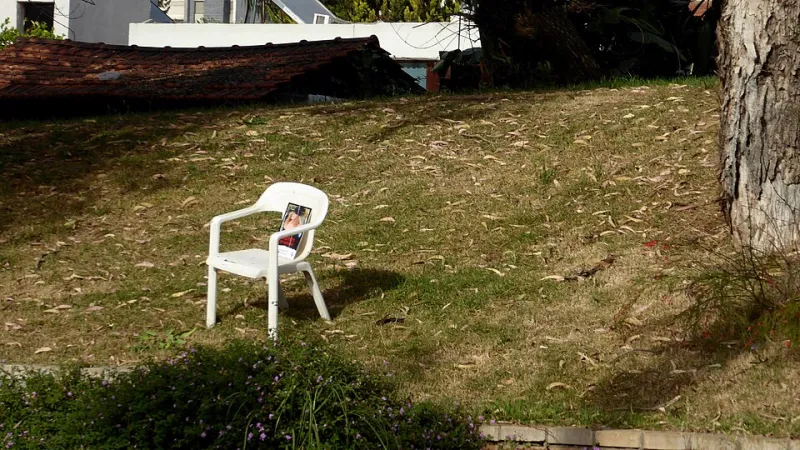
Photo: Chenspec, CC BY-SA 4.0, via Wikimedia Commons
There is a moment familiar to anyone who has served on a British association committee: the AGM where the nomination sheet for chair circulates the room and returns, somehow, with the same name on it. Again. The same name that was there four years ago. Possibly eight.
This is not an isolated quirk. It is the visible symptom of a succession crisis that post-pandemic governance reviews have dragged into the open, and it affects associations of every size from county trade bodies to national professional institutions.
The Rotation Trap
The pattern is well documented and deeply unglamorous. A small cadre of willing volunteers rotates between treasurer, secretary and chair, often simultaneously holding two roles, until burnout or relocation forces a crisis appointment. Succession planning, where it exists at all, consists of hoping the incumbent stays well.
The consequences compound. A tired leadership team stops innovating. Members perceive the committee as a closed circle and decline to stand. The association's governance becomes, in effect, a private arrangement rather than a member-facing institution — precisely the condition the Charity Governance Code and the Chartered Governance Institute's guidance were written to prevent.
Why the Pipeline Dries Up
Three forces are at work. First, the executive day job has intensified; senior professionals guarding their evenings are rational, not selfish. Second, many associations never actually ask — they assume ambition will announce itself, and it rarely does. Third, the chair role is frequently presented as a burden to be shouldered rather than a platform to be shaped, which deters exactly the candidates associations claim to want.
Models That Have Worked
The associations that have broken the cycle tend to have done three things.
Shadow boards and deputy structures. Several regional bodies have created formal vice-chair roles with real delegated authority — not honorary titles, but ownership of a portfolio, a budget line and a reporting duty to the main board. It converts spectatorship into apprenticeship.
Term limits, enforced. Where constitutions cap tenure at two or three years, rotation becomes structural rather than personal. Incumbents can no longer be guilt-tripped into standing "one more year", and vacancies become predictable enough to plan for.
Talent audits. The more sophisticated bodies now map their committees annually: age profile, skills gaps, tenure distribution, and — crucially — a named list of members being actively developed towards office. This is standard practice in corporate boards; there is no reason a membership body with a seven-figure turnover should lack it.
A Question of Legitimacy
Ultimately, succession is not an administrative chore. An association that cannot renew its leadership cannot claim to represent a living profession. The governance reviews now sweeping the sector offer a rare window: constitutions are being rewritten anyway. Embedding term limits, deputy roles and talent pipelines into those documents costs nothing but intent.
The alternative is the AGM where everyone looks at their shoes, and the same name goes up on the sheet once more.